
Hollywood's red carpet has long been treated as the world's most visible fashion runway, and for good reason. A designer can spend months creating a gown that will be photographed for only a few minutes, yet those few minutes can determine how the look is remembered for years. Red carpet fashion doesn't simply reflect the wider fashion industry; it often accelerates trends, turns relatively unfamiliar silhouettes into mainstream ideas, and gives designers an enormous global audience overnight.
What makes the current red carpet landscape particularly interesting is the contrast between extremes. On one side, celebrities are embracing romantic gowns, feathers, sculptural construction, dramatic trains, and deliberately theatrical details. On the other, a growing number of stars are choosing minimalist dresses that depend almost entirely on cut, fit, fabric, and styling rather than obvious embellishment. The result is a red carpet that feels less predictable than it did a few years ago.
There is also a noticeable shift toward dresses that have a strong visual identity without necessarily being overloaded with details. Instead of simply asking how much skin a gown reveals or how much sparkle it contains, stylists are increasingly considering shape, movement, texture, proportion, and the relationship between the dress and the person wearing it. Here are some of the biggest trends currently shaping Hollywood red carpet dresses.
Balletcore and Romantic Softness
One of the clearest recent shifts has been the return of ballet-inspired elegance. Balletcore brings together delicate fabrics, soft silhouettes, pale colors, flowing layers, fitted bodices, ribbons, tulle, and subtle references to traditional dancewear. On a red carpet, however, the trend is rarely literal. Rather than looking like an actual ballet costume, the best versions borrow the softness and movement of ballet while translating it into sophisticated eveningwear.
Soft pink has been particularly effective in this category, especially when combined with flowing skirts or fitted corseted bodices. Pale blue, cream, champagne, dusty rose, and other muted shades create a similarly romantic effect. Tulle is another important part of the aesthetic because it gives gowns movement without necessarily making them feel heavy or excessively formal.
One reason the trend works so well on a red carpet is that it photographs beautifully. Layers of tulle and chiffon catch movement as the wearer walks, while soft colors create a more delicate visual impression under flash photography. A one-shoulder neckline, draped sleeve, or subtle corset can also give the look enough structure to prevent it from becoming overly sweet.
The trend represents something of a counterpoint to the aggressively revealing red carpet looks that dominated fashion headlines for years. Instead of using exposure as the primary source of drama, ballet-inspired gowns create interest through softness, proportion, texture, and movement. The overall effect is glamorous without necessarily feeling loud.

Dramatic Feathers
Feathers have made a significant return to Hollywood red carpets, and they are being used in much more varied ways than simply decorating the hem of an evening gown. Designers are using feathers to create volume around the shoulders, sleeves, neckline, cuffs, skirts, and trains, sometimes turning an otherwise simple dress into a theatrical statement.
Full feather skirts are particularly effective because they introduce movement into photographs. A celebrity standing still may appear to be wearing a relatively straightforward gown, but once she begins walking, the feathers move around the body and create a completely different silhouette. That quality makes feathered dresses particularly suited to modern red carpet photography, where images are captured from dozens of angles within seconds.
There is also a more restrained version of the trend. A narrow feather trim around a neckline or hem can add texture without turning the dress into a costume. This approach works particularly well when the rest of the gown is minimalist, allowing the feathers to function as the single defining detail.
Feathers also connect modern red carpet dressing with classic Hollywood glamour. They have historically been associated with stage costumes, old Hollywood eveningwear, cabaret-inspired fashion, and couture, which means a feathered gown can feel both nostalgic and contemporary depending on how it is styled.
Sculptural, Cut-Out Silhouettes
Another major direction is the rise of sculptural dressing. Instead of relying entirely on sequins, crystals, or prints to make a gown interesting, designers are manipulating the actual construction of the garment. Curved seams, architectural bodices, exaggerated hips, asymmetric shapes, and strategically placed cut-outs can completely change the appearance of a dress.
Cut-outs remain popular, but their placement has become more sophisticated. Rather than simply creating a deep neckline, designers are experimenting with openings around the waist, ribs, shoulders, back, and hips. Some dresses use geometric shapes, while others incorporate organic, leaf-like openings that appear almost as though they have been carved into the fabric.
Peplum is another detail benefiting from this sculptural approach. Once associated primarily with traditional office and occasionwear, modern peplums can be exaggerated, asymmetric, or sharply structured, creating a defined waist and architectural silhouette. This gives a gown visual interest even when the color and fabric are relatively understated.
The appeal of sculptural dressing is that it can be dramatic without depending on excessive decoration. A perfectly constructed white, black, or neutral gown can attract as much attention as a heavily embellished dress when its silhouette is unusual enough. It also gives designers an opportunity to demonstrate craftsmanship through construction rather than surface decoration.
Fit-and-Flare, 1950s-Inspired Shapes
The return of 1950s-inspired dressing has brought renewed attention to the fit-and-flare silhouette. The basic formula is simple: a fitted upper body followed by a skirt that gradually expands away from the waist. The result creates a recognizable hourglass shape that has remained popular across generations.
On today's red carpets, the silhouette is being interpreted in both traditional and modern ways. Some gowns use structured corsetry and full skirts to create a classic couture effect, while others use softer materials such as chiffon or crepe to create a more relaxed interpretation. The key element is the emphasis on the waist.
This shape is particularly effective for formal events because it combines traditional glamour with a flattering silhouette. It also photographs consistently well from different angles. From the front, the fitted bodice creates definition; from the side, the flare adds movement; and when the wearer walks, the skirt creates the dramatic effect expected from an awards-season gown.
Modern versions are also less dependent on enormous amounts of fabric than traditional ball gowns. A slightly flared midi dress, structured cocktail dress, or streamlined evening gown can borrow the same 1950s proportions without becoming excessively formal.
Cool, Downtown Minimalism
Not every current red carpet trend is about making a huge entrance. Alongside feathers, sculptural gowns, and romantic dresses, a quieter form of minimalism has become increasingly visible. This aesthetic is particularly associated with younger celebrities and stylists who favor an effortless, fashion-editorial approach.
The idea is deceptively simple: choose an excellent silhouette, use a beautiful fabric, keep the color palette controlled, and allow the person wearing the dress to remain the focal point. A black column gown, a simple satin slip, a clean strapless dress, or a sharply tailored minimalist design can achieve this effect without requiring elaborate decoration.
Accessories are usually kept restrained as well. Instead of covering a simple gown with layers of jewelry, stylists may choose one pair of dramatic earrings or a single architectural bracelet. Hair and makeup are often similarly understated, creating the impression that the entire look came together naturally even when the preparation behind it was extremely deliberate.
This approach has become particularly appealing because red carpet fashion can easily become repetitive. When every celebrity arrives in crystals, cut-outs, dramatic trains, and exaggerated silhouettes, a beautifully fitted minimalist gown can actually stand out more.
Sheer Fabrics, Used More Deliberately
Sheer dressing has not disappeared from Hollywood, but its role has changed. The fully transparent "naked dress" that once seemed like the default attention-grabbing strategy is increasingly being replaced by more controlled uses of transparency.
Designers are incorporating sheer panels, illusion necklines, translucent sleeves, mesh inserts, and strategically placed layers rather than making the entire dress transparent. This allows the wearer to achieve the visual lightness of sheer fabric without making exposure the entire point of the outfit.
That distinction matters because sheer dressing has now been part of mainstream red carpet fashion for decades. Looks inspired by famous dresses worn by stars such as Kate Moss, Rihanna, and other major fashion figures have made transparency a familiar red carpet language. Today's designers therefore have to find new ways to make the idea feel fresh.
Layering is one answer. A transparent outer skirt over an opaque foundation, for example, can create depth and movement while remaining considerably more wearable than an entirely sheer gown. Similarly, strategically positioned embroidery or embellishment can create the illusion of transparency without relying on complete exposure.
Old Hollywood Glamour Is Still Going Strong
Even as fashion moves forward, classic Hollywood glamour never completely disappears. Floor-length satin gowns, elegant gloves, sculpted waves, red lipstick, diamonds, and dramatic trains continue to have a place on major award-show carpets.
The modern interpretation tends to be less literal than vintage costume dressing. Instead of copying a 1940s or 1950s gown exactly, stylists might take one element, such as a bias-cut silhouette, sweetheart neckline, opera glove, or structured shoulder, and combine it with a contemporary design.
That balance is important. A look can reference classic cinema without appearing as though the wearer has stepped directly out of an old movie. The strongest examples understand the original inspiration while keeping the proportions and styling current.
Metallics and High-Shine Fabrics
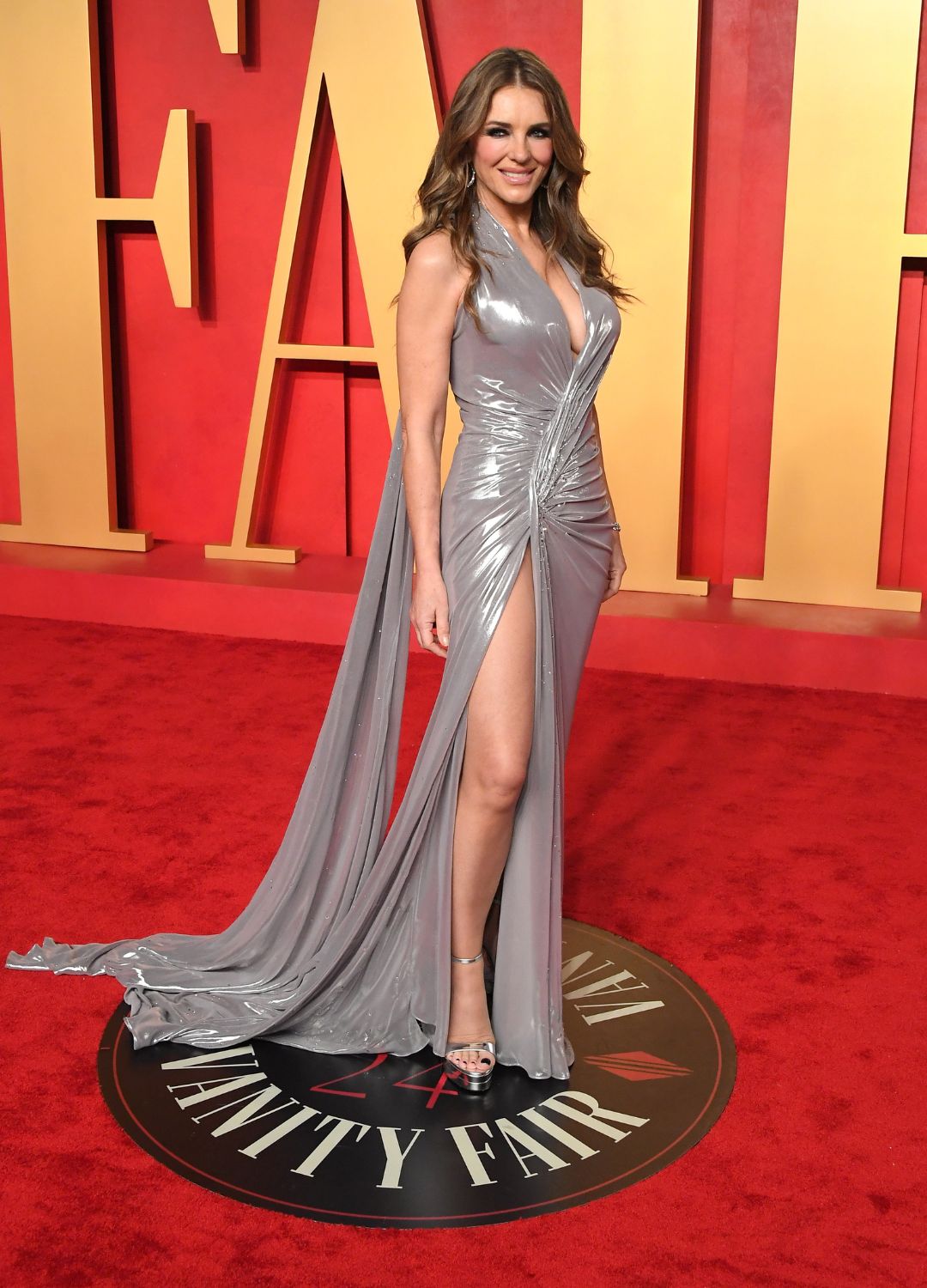
Metallic dresses remain one of the easiest ways to create immediate red carpet impact. Gold, silver, bronze, pewter, champagne, and liquid-metal shades catch flash photography exceptionally well, making them natural choices for major premieres and awards ceremonies.
Modern metallics are not limited to traditional sequins. Designers are experimenting with metallic mesh, reflective fabrics, metallic embroidery, chainmail-inspired construction, and fabrics that appear almost wet or liquid under the lights. These materials can make a relatively simple silhouette feel much more dramatic.
The trick is restraint elsewhere. A highly reflective gown already provides visual impact, so excessive jewelry can compete with the fabric. Minimal accessories, sleek hair, and controlled makeup often allow the metallic surface to become the centerpiece.
Strong Jewel Tones
Rich colors continue to perform extremely well on red carpets. Emerald green, sapphire blue, ruby red, burgundy, plum, and deep teal can provide the visual drama of a statement gown without requiring complicated construction.
Jewel tones are particularly versatile because they can work across different silhouettes. An emerald satin column dress feels sophisticated and understated, while the same color in a voluminous tulle gown can feel theatrical. Burgundy can appear romantic in velvet and modern in structured crepe, while sapphire can look almost jewel-like when combined with sequins or crystals.
These colors also tend to photograph effectively under both natural and artificial lighting. For celebrities attending evening events, that makes them practical as well as fashionable.
What's Falling Out of Favor
Fashion trends rarely disappear overnight. More often, something becomes so common that stylists begin looking for alternatives. Several once-dominant red carpet formulas are therefore being used more selectively rather than disappearing completely.
- Overly voluminous ball gowns: Enormous skirts and traditional princess silhouettes still have their place, particularly at formal events, but many stylists are favoring gowns with more controlled volume and stronger waist definition.
- Fully exposed naked dresses: Sheer dressing remains relevant, but completely transparent gowns are increasingly being treated as deliberate fashion statements rather than the standard formula for creating headlines.
- Shapeless bodices: Loose, undefined upper sections can make an otherwise beautiful gown look unfinished. More fitted corsetry, waist definition, and structured construction are becoming more common.
- Mega-cleavage as the entire statement: Plunging necklines remain popular, but they are increasingly being combined with other design elements such as unusual sleeves, sculptural construction, texture, or dramatic backs.
- Heavy embellishment everywhere: Sequins and crystals remain important, but covering an entire gown in decoration is no longer automatically enough to make a look feel special. Designers are increasingly relying on silhouette and craftsmanship.
- Over-styled outfits: Modern red carpet dressing often aims for a sense of effortlessness. Too many accessories, competing details, or overly complicated hair and makeup can make a look feel less current.
How Red Carpet Trends Differ by Event
There is no single definition of a perfect Hollywood red carpet dress because the dress code changes significantly depending on the event. An outfit that feels completely appropriate at the MTV Video Music Awards could look wildly out of place at the Academy Awards.
Film awards generally encourage a more formal approach. The Oscars, Golden Globes, and major film festivals tend to reward elegant gowns, couture construction, sophisticated tailoring, and carefully coordinated beauty looks. These carpets are where classic glamour, romantic gowns, and refined silhouettes tend to perform particularly well.
Music award shows are usually more experimental. Artists have greater freedom to use dramatic styling, unusual materials, revealing silhouettes, oversized accessories, and theatrical concepts. At these events, the outfit can function almost like part of the artist's performance persona.
Film premieres occupy a middle ground. A celebrity may choose something glamorous enough for photographers while still using the event to promote a film's visual identity. The dress may therefore be more fashion-forward than a traditional awards-season gown but less theatrical than a music award-show look.
Fashion events such as the Met Gala operate under an entirely different set of rules. Here, celebrities are expected to respond to a theme, often treating their clothing as a form of visual storytelling. As a result, trends that might seem excessive on an ordinary red carpet can be completely appropriate at a major fashion event.
The Importance of the Silhouette
One of the most noticeable developments in contemporary red carpet dressing is the renewed importance of silhouette. A dress does not need thousands of crystals to become memorable if its proportions are exceptional.
Designers are experimenting with exaggerated shoulders, narrow waists, sculpted hips, asymmetrical skirts, dramatic trains, fitted columns, and architectural bodices. These details give photographers something visually distinctive to capture, particularly when celebrities are photographed from multiple angles.
Silhouette also affects how a dress moves. A gown that looks impressive while standing still can become considerably more memorable when its skirt sweeps across the carpet or its train follows behind the wearer. Movement has therefore become an important part of modern red carpet design.
How Accessories Are Changing
Accessories have become more carefully considered as well. Rather than treating jewelry as an opportunity to add as much sparkle as possible, many stylists are using accessories to reinforce the central idea of the outfit.
A minimalist gown might be paired with oversized earrings, while a heavily embellished dress could be styled with almost no jewelry. Gloves, sculptural clutches, dramatic shoes, and hair accessories can also provide a secondary focal point without competing with the gown itself.
The same principle applies to handbags. Tiny evening bags remain popular, but increasingly they are selected for shape and design rather than practicality. On a red carpet, a clutch can function almost like another piece of jewelry.
Hair and Makeup Are Part of the Dress
A red carpet gown cannot really be considered in isolation. Hair and makeup can completely change how the same dress is perceived.
A satin gown with vintage waves and a red lip immediately becomes old Hollywood. The same dress with slicked-back hair and minimal makeup can feel contemporary and architectural. Similarly, a romantic tulle gown can become modern when paired with deliberately simple hair and barely-there makeup.
This is why celebrity stylists typically build the entire appearance as one visual concept. The dress, jewelry, shoes, hairstyle, makeup, and even manicure are expected to work together rather than compete with one another.
Why Red Carpet Fashion Keeps Changing
Red carpet fashion is constantly evolving because celebrities are no longer dressing solely for the people physically standing behind the photographers. Every major appearance is instantly photographed, posted, shared, discussed, and transformed into social media content.
That has created a strange challenge for stylists. A dress needs to be distinctive enough to generate attention but not so predictable that it looks like every other viral red carpet outfit. It also needs to photograph well on phone screens, professional cameras, video clips, and social media feeds.
The most successful looks therefore tend to have a clear visual idea. It might be an extraordinary silhouette, a memorable color, an unusual texture, a dramatic train, or an unexpected styling choice. The goal is no longer simply to look beautiful. It is to create an image that people immediately recognize.
Tips for Achieving Red Carpet-Inspired Style
- Choose the silhouette before the decoration: Start with the shape that makes you feel confident. A beautifully fitted simple dress will usually look more polished than an elaborate dress with an unflattering silhouette.
- Choose colors that complement you: Trends are useful for inspiration, but the best shade is ultimately the one that works with your skin tone, hair, and overall coloring.
- Let one element lead: If the dress has dramatic feathers, keep the jewelry restrained. If the gown is covered in crystals, consider simpler shoes and accessories.
- Think about movement: If you're attending an event where photographs will be important, consider how the dress looks while walking, sitting, turning, and posing.
- Plan hair and makeup with the dress: A vintage gown may call for classic waves, while a sculptural dress might benefit from sleek hair and minimalist makeup.
- Pay attention to fabric: Satin, velvet, chiffon, tulle, crepe, sequins, and metallic fabrics all photograph differently. Choose a material that suits both the occasion and the effect you want.
- Don't underestimate tailoring: Even an inexpensive dress can look significantly more luxurious when the shoulders, waist, hem, and bust are properly fitted.
- Consider the event's specific tone: A film premiere, awards ceremony, charity gala, music event, and fashion-focused party can all require very different interpretations of red carpet dressing.
How to Make a Red Carpet Dress Feel Modern
If you're inspired by an older Hollywood look, you don't necessarily need to copy it exactly. The easiest way to modernize an iconic style is to preserve one recognizable element while updating everything around it.
For example, a classic Old Hollywood gown can be paired with contemporary minimalist jewelry. A 1950s-inspired fit-and-flare dress can be made more current with modern shoes and a sleek hairstyle. A vintage-inspired slip dress can be combined with sculptural accessories rather than traditional pearls.
This approach prevents the outfit from looking like a costume. The reference remains visible, but the final appearance still belongs to the present.
What Makes a Red Carpet Dress Truly Memorable?
The most memorable red carpet dresses usually have something more than beauty working in their favor. Sometimes it is the celebrity wearing them. Sometimes it is the designer's craftsmanship. Sometimes the timing turns an ordinary-looking gown into a cultural moment.
Think of dresses such as Jennifer Lopez's green Versace gown, Elizabeth Hurley's safety-pin dress, Rihanna's crystal-covered CFDA gown, or Princess Diana's famous black "revenge dress." Each is visually distinctive, but the circumstances surrounding the outfit are just as important as the garment itself.
That is ultimately what separates a fashionable red carpet dress from an iconic one. Trends change, designers change, and silhouettes come back around, but a dress connected to a memorable cultural moment can remain relevant for decades.
FAQs
What are the biggest Hollywood red carpet trends right now?
Balletcore-inspired romantic dressing, dramatic feathers, sculptural silhouettes, strategic cut-outs, fit-and-flare shapes, metallic fabrics, jewel tones, and refined minimalism are among the strongest current directions.
Are ball gowns still popular on the red carpet?
Yes, traditional ball gowns are still worn at major formal events, but oversized, extremely voluminous silhouettes are being used more selectively. More tailored gowns with controlled volume, defined waists, and sculptural shapes are increasingly popular.
Are naked dresses going out of style?
Completely sheer dresses are no longer as novel as they once were, so stylists are using transparency more deliberately. Sheer panels, illusion details, translucent skirts, and layered fabrics are increasingly common alternatives to an entirely transparent gown.
What colors are trending for Hollywood red carpet dresses?
Soft romantic shades such as pale pink, cream, champagne, and powder blue remain popular, while rich jewel tones such as emerald, sapphire, burgundy, and deep red provide a more dramatic alternative. Metallic gold and silver are also strong choices for high-impact red carpet dressing.
Are feathers still fashionable on the red carpet?
Yes. Feathers have become one of the more noticeable statement details in contemporary red carpet fashion, appearing everywhere from subtle trims and cuffs to full feathered skirts and dramatic gowns.
What type of dress is most flattering for a red carpet event?
There is no universally flattering silhouette, but fit-and-flare, column, A-line, and carefully structured gowns can all create elegant proportions when properly tailored. The most important factor is usually the fit rather than the specific style of the dress.
Do red carpet trends differ between award shows?
Yes. Film awards generally favor polished gowns, classic glamour, and sophisticated tailoring, while music award shows tend to allow more experimental, theatrical, and revealing fashion. Film premieres and fashion events each have their own visual expectations as well.
How can I make a regular dress look more red-carpet ready?
Focus on tailoring, accessories, hair, makeup, and shoes. A well-fitted dress can look dramatically more sophisticated when paired with intentional styling. Choosing one strong focal point, such as statement earrings, metallic shoes, dramatic sleeves, or a distinctive clutch, can also make the overall outfit feel more polished.
What is the most important part of a red carpet look?
The dress itself matters, but the overall styling is equally important. Silhouette, fit, fabric, accessories, hair, makeup, and the confidence of the person wearing the outfit all contribute to whether a red carpet look feels memorable.



 Posts


No comments:
Post a Comment