
The hard truth about modern digital marketing — and how to fix it.
You're showing up on Google. Your ads are running. You have a social media presence. So why aren't the leads coming in?
Here's the uncomfortable answer: being visible and being chosen are two completely different things — and most businesses are confusing the two.
Search has fundamentally changed. The old playbook of "rank higher, get more clicks, win more customers" is broken. In 2025, the buyer journey looks nothing like it did five years ago, and if your digital strategy hasn't evolved with it, you're likely sending hard-earned traffic straight to your competitors.
Let's break down exactly what's happening — and what you need to do about it.
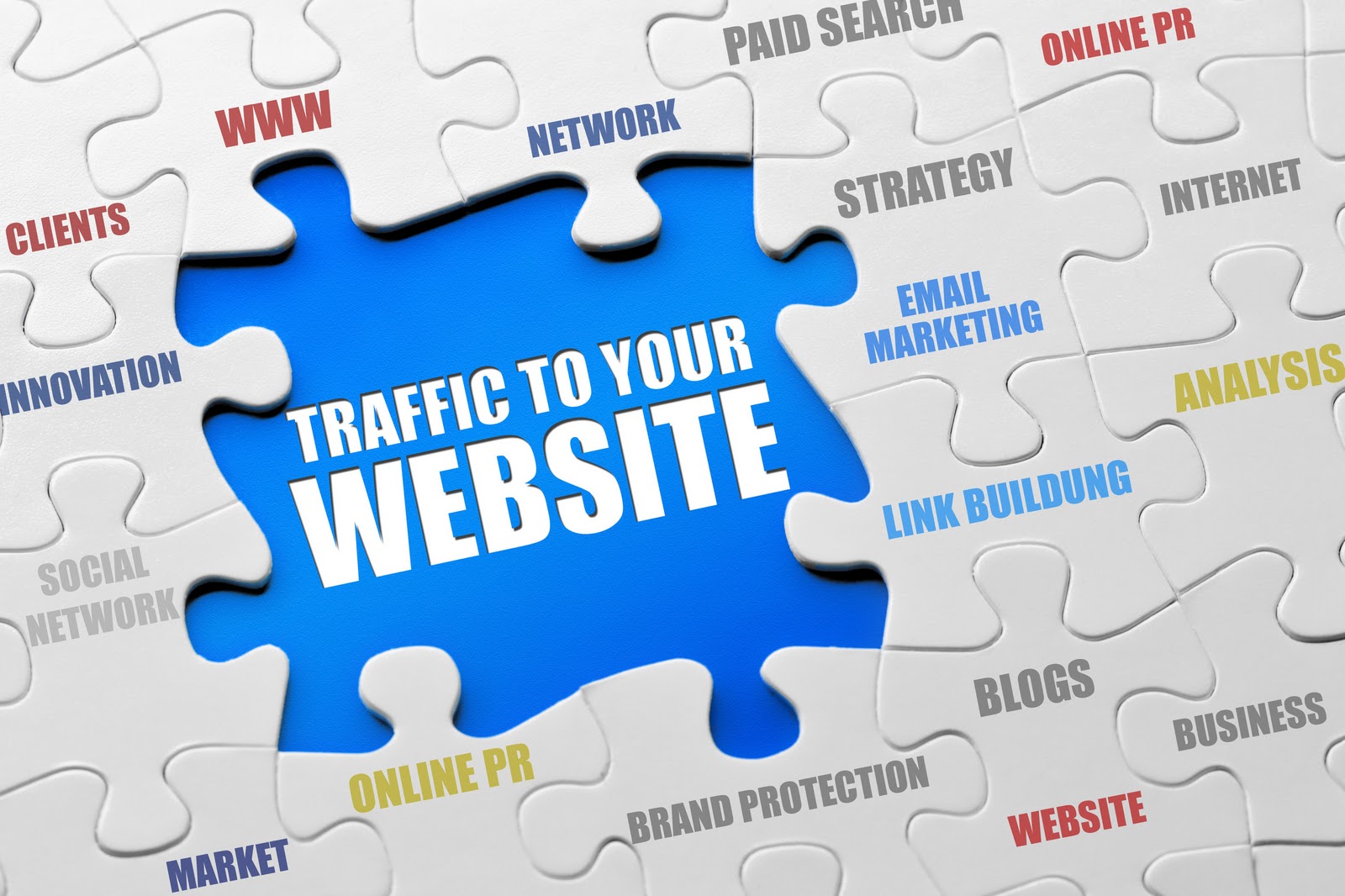 |
| Image Source: https://agileandco.com/ |
The Modern Buyer Journey: What Actually Happens Before Someone Contacts You
Before a potential customer ever picks up the phone or fills out your contact form, they've already put you on trial.
Here's a realistic look at the modern decision-making process:
1. They search.
Maybe they find you on Google — organic results, the map pack, or a paid ad.
2. They check your reviews.
Before anything else, they're scanning your Google Business Profile rating, your Yelp score, your industry-specific review platforms. A 3.8-star rating next to a competitor's 4.7 is game over — before you've said a word.
3. They read AI-generated summaries.
Google's AI Overviews, ChatGPT, Perplexity — these tools now synthesize information about your business from across the web and present a verdict to the user before they even click. If the sentiment around your brand is mixed or thin, the AI summary won't flatter you.
4. They compare you in the map pack.
Local businesses live or die by the 3-pack. Proximity, reviews, profile completeness, and engagement signals all factor in — and users are comparison shopping right there on the results page without ever visiting your website.
5. They check your social presence.
They'll glance at your Instagram, Facebook, or LinkedIn. Is the account active? Does it look legitimate? What are customers saying in the comments? Dead social profiles are a trust killer.
6. Then — and only then — do they decide whether to contact you.
The critical insight here is this: most of the decision happens before conversion. If any one of those touchpoints breaks trust, you lose the customer. Not to bad luck. To a competitor who got all the same steps right.
Why Doing It All Separately Isn't Enough
Most businesses understand they need SEO. Many are running paid ads. Some post on social media. A few respond to reviews.
But they're doing each of these things in isolation — and that's the core problem.
Here's what siloed digital marketing looks like in practice:
- Your SEO brings in traffic for the right keywords, but your landing page doesn't match the search intent, so visitors bounce.
- Your paid ads drive clicks, but your Google reviews average 3.2 stars — so the first thing users see kills their intent.
- Your social media posts exist, but they're inconsistent, unbranded, and don't reinforce the trust signals you need to close.
- Your reputation is being slowly damaged by a handful of unresponded negative reviews — but no one on your team owns that problem.
Each channel is technically "active," but none of them are working together to move a customer from awareness to decision. The result? Traffic without conversions. Ad spend without ROI. Visibility without growth.
The Strategy That Actually Converts: Cohesion
The businesses winning online in 2025 aren't necessarily the ones with the biggest budgets. They're the ones whose strategy is cohesive — every channel reinforces every other channel, and together they create an experience of undeniable trust and relevance.
Here's what a cohesive digital strategy looks like:
SEO + Reputation: The Foundation of Discovery and Trust
Your SEO gets people to find you. Your reputation convinces them to choose you.
These two must be aligned. If you're ranking for "best roofing contractor in Austin" but your Google reviews tell a different story, you've wasted your ranking. Conversely, stellar reviews with no SEO visibility means your ideal customers never find you in the first place.
What cohesion looks like here:
- Optimizing your Google Business Profile so it ranks and converts
- Building a steady stream of authentic, positive reviews from real customers
- Responding to every review — positive and negative — to signal active engagement
- Using review keywords naturally in your website content and local SEO strategy
Paid Ads + Landing Page Experience: Paying to Win, Not to Lose
Every click you pay for is a micro-bet. You're betting that the page they land on will continue the promise your ad made.
Too often, ads drive traffic to a generic homepage that confuses the visitor. The message doesn't match. The trust signals aren't there. The call-to-action is buried. The customer leaves, and you've paid for nothing.
What cohesion looks like here:
- Matching ad copy to landing page headline and offer (message match)
- Including social proof — reviews, testimonials, star ratings — directly on the landing page
- A/B testing landing pages alongside ad creative, not separately
- Using retargeting to re-engage users who engaged with your social content or organic content but didn't convert
Social Media + SEO: Content That Builds Authority Everywhere
Social media doesn't directly impact your search rankings — but it impacts almost everything that does.
Social proof builds brand trust, which increases branded search volume. Content that performs well socially earns links and signals. User-generated content on social platforms feeds AI systems that synthesize your brand reputation. An active, credible social presence reduces bounce rates when prospects land on your website because they already feel familiar with you.
What cohesion looks like here:
- Creating content pillars that work across your blog (SEO), social feed, and email
- Repurposing long-form SEO content into short-form social posts that drive engagement
- Using social listening to understand what questions your customers are asking — then answering them in your SEO content
- Ensuring your brand voice, visuals, and messaging are consistent across every platform
Reputation + Social: The New Word-of-Mouth
In previous decades, word-of-mouth was private — a conversation between neighbors. Today, it's public, permanent, and searchable.
What people say about you on Google, Facebook, Yelp, Reddit, and TikTok forms a permanent, aggregated record of your brand's trustworthiness. AI models are trained on this data. Prospective customers read it before calling. Journalists and partners reference it.
What cohesion looks like here:
- Proactively asking satisfied customers to leave reviews across key platforms
- Monitoring brand mentions on social media and responding promptly
- Turning positive customer stories into social proof content (case studies, testimonials, video reviews)
- Addressing negative feedback publicly, professionally, and constructively — demonstrating accountability
The Compounding Effect of an Integrated Strategy
Here's why cohesion isn't just better — it's exponentially better.
When your SEO attracts the right audience, your paid ads retarget them intelligently, your social media builds familiarity, and your reputation confirms the decision — you've created a funnel that works on multiple psychological levels simultaneously.
The prospect feels like they've encountered you organically (SEO), been reminded at the right moment (retargeting), seen evidence of your culture and credibility (social), and heard from people like them that you're trustworthy (reviews). By the time they contact you, they're not comparing you to competitors anymore. In their mind, you're already the obvious choice.
That's what an integrated strategy does. It doesn't just generate traffic — it generates conviction.
Signs Your Strategy Isn't Cohesive (Checklist)
Ask yourself honestly:
- [ ] Are different agencies or team members running your SEO, ads, and social — with no shared strategy or reporting?
- [ ] Does your ad spend go to a homepage rather than a purpose-built landing page?
- [ ] Are you ranking for valuable keywords but seeing high bounce rates?
- [ ] Have you left negative reviews unanswered in the last 90 days?
- [ ] Is your brand messaging different on your website, your ads, and your social profiles?
- [ ] Are you unable to tell which channel is actually driving conversions — not just clicks?
If you checked two or more boxes, your strategy has gaps — and those gaps are costing you customers right now.
The Bottom Line
More traffic is not the goal. More customers is the goal.
In today's search environment, where AI summarizes your reputation before a user clicks, where the map pack shows your star rating before your website, and where a single unanswered negative review can tip a buying decision — visibility alone is not a strategy.
The businesses that thrive are the ones treating SEO, paid ads, social media, and reputation management as one integrated system — not four separate line items.
When these channels work together, something powerful happens: trust compounds, conversions increase, and your cost-per-acquisition goes down over time. When they operate in silos, you pay more, convert less, and wonder why your competitors seem to have an edge you can't explain.
They don't have better luck. They have a more cohesive strategy.
Ready to audit your digital strategy for cohesion gaps? The first step is understanding where your customer journey breaks down — and building a plan that patches every hole.



 Posts
Posts


No comments:
Post a Comment