
According to the Bible (KJV), both Moab and Ammon were sons of Lot, the nephew of Abraham.
Genesis 19:36–38 (KJV):
“Thus were both the daughters of Lot with child by their father. And the first born bare a son, and called his name Moab: the same is the father of the Moabites unto this day.
And the younger, she also bare a son, and called his name Benammi: the same is the father of the children of Ammon unto this day.”
So:
-
Moab = Ancestor of the Moabites
-
Ben-Ammi = Ancestor of the Ammonites
They became two distinct Semitic tribes who settled east of the Jordan River, in what is now modern-day Jordan.
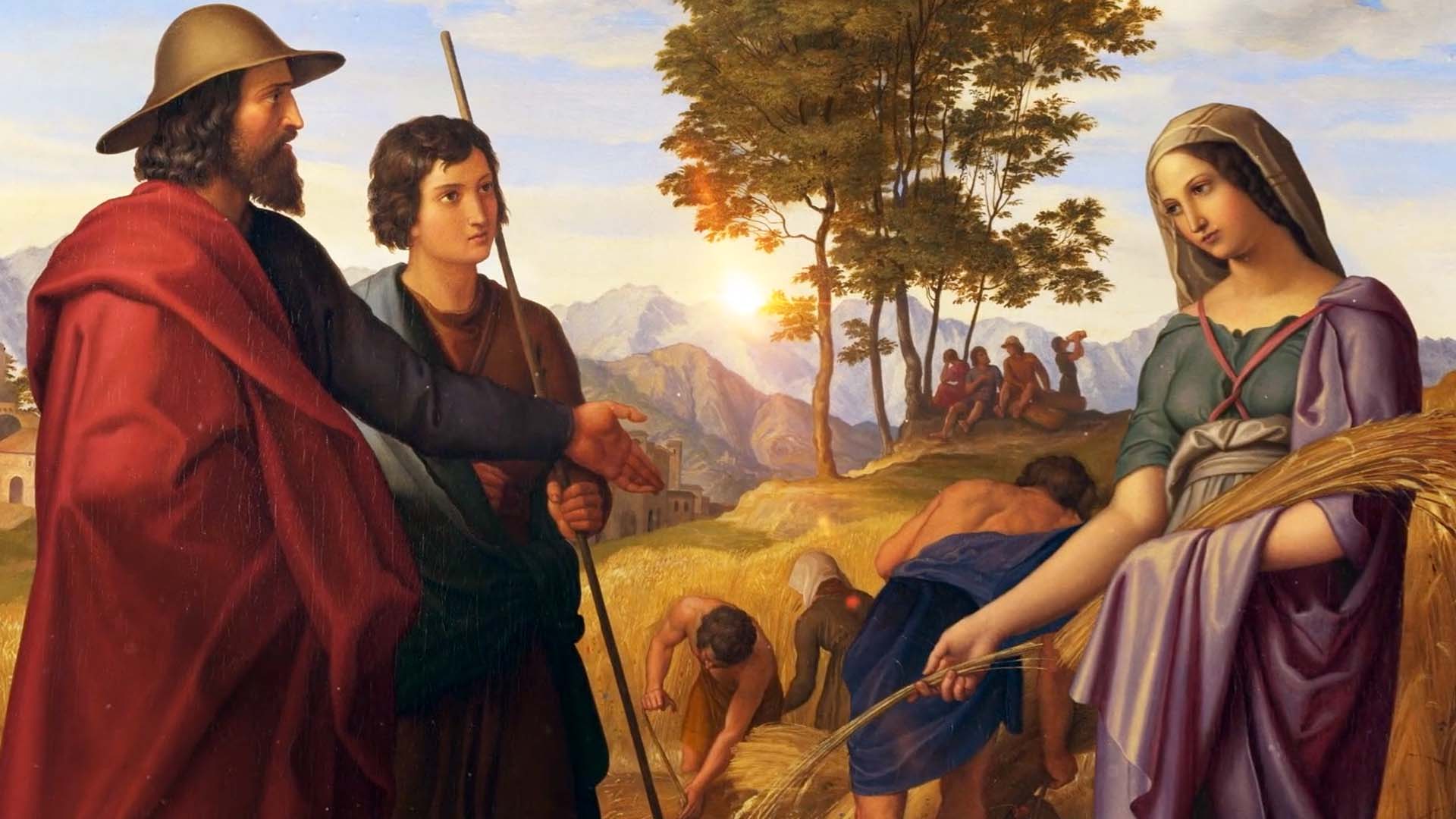 |
| Image Source: https://drivethruhistory.com/ |
Moabites and Ammonites in Biblical History
-
The Moabites lived in the region south of the Arnon River.
-
The Ammonites lived north of the Arnon, in the area around modern-day Amman, Jordan’s capital (which likely preserves the name Ammon).
Notable Biblical References:
-
The Moabites and Ammonites were frequent enemies of Israel.
-
Moabite King Balak hired Balaam to curse Israel (Numbers 22).
-
Ruth, the great-grandmother of King David, was a Moabite woman (Ruth 1:4).
-
Solomon married foreign wives, including Moabites and Ammonites, which led him into idolatry (1 Kings 11:1–7).
-
Both nations were eventually conquered and absorbed into other empires.
Who Are the Moabites Today?
Moabites Today — A Historical View:
-
The Moabites no longer exist as a distinct people group.
-
The Moabite kingdom fell to the Babylonians around the 6th century BC.
-
The region was absorbed into various empires: Babylonian, Persian, Hellenistic, Roman, and later Islamic Caliphates.
Modern Identification:
The land once inhabited by the Moabites is now part of Jordan, particularly the areas east of the Dead Sea.
Thus, modern Jordanians, especially those from southern Jordan, may be descendants of Moabites, although centuries of migration, conquest, and intermarriage have obscured clear genealogical links.
So:
-
Who are the Moabites today?
➤ They are assimilated into modern Jordanian Arab populations.
Who Are the Ammonites Today?
Like the Moabites, the Ammonites ceased to exist as a separate ethnic group after successive conquests.
Key Points:
-
Their territory was centered around modern Amman, Jordan.
-
Conquered by the Assyrians and later absorbed by the Babylonians and Persians.
-
By New Testament times, they are no longer a distinct group.
So:
-
Who are the Ammonites today?
➤ Their descendants are likely also absorbed into modern Jordanians, especially in the area of Amman.
Moab and Ammon in Prophecy and Theology
In prophecy, Moab and Ammon are sometimes mentioned as symbolic enemies of God’s people, yet some prophecies also indicate a restoration or judgment (Jeremiah 48–49; Zephaniah 2:8–11).
In Daniel 11:41 (KJV), there’s a mysterious reference:
“...but these shall escape out of his hand, even Edom, and Moab, and the chief of the children of Ammon.”
This has led to speculation among scholars and theologians that remnants or symbolic representations of these nations will exist in end-times scenarios — though this is interpretive, not literal.
Conclusion
Who Are the Moabites Today?
The Moabites were descendants of Lot through his eldest daughter. Today, they no longer exist as a distinct people group but are likely assimilated into the modern Arab population of Jordan, particularly south of the Dead Sea.
Who Are the Ammonites and Moabites Today?
Both groups were Semitic nations east of the Jordan River. Their descendants were likely absorbed into other populations over centuries. Modern Jordanians, particularly those in Amman and southern Jordan, are their most probable cultural successors.
Who Is Moab and Ammon Today?
Moab and Ammon as geographical and tribal entities no longer exist independently. Their ancient lands form parts of modern Jordan, and their names survive in historical and prophetic literature.
FAQs
1. Are the Moabites and Ammonites Arab?
Technically, they were Semitic, like Arabs and Israelites. Today, their descendants are culturally Arab, due to centuries of Islamic and linguistic Arabization.
2. Did any Moabites or Ammonites convert to the Israelite religion?
Yes. Ruth, a Moabite woman, is a prominent example. She became the great-grandmother of King David, showing God’s grace extended beyond Israel.
3. Why did God forbid Israel from marrying Moabites and Ammonites?
Due to their idolatrous practices and opposition to Israel during the Exodus (see Deuteronomy 23:3–6). However, individual conversion and faith (like Ruth’s) overrode tribal identity.



 Posts
Posts


No comments:
Post a Comment